

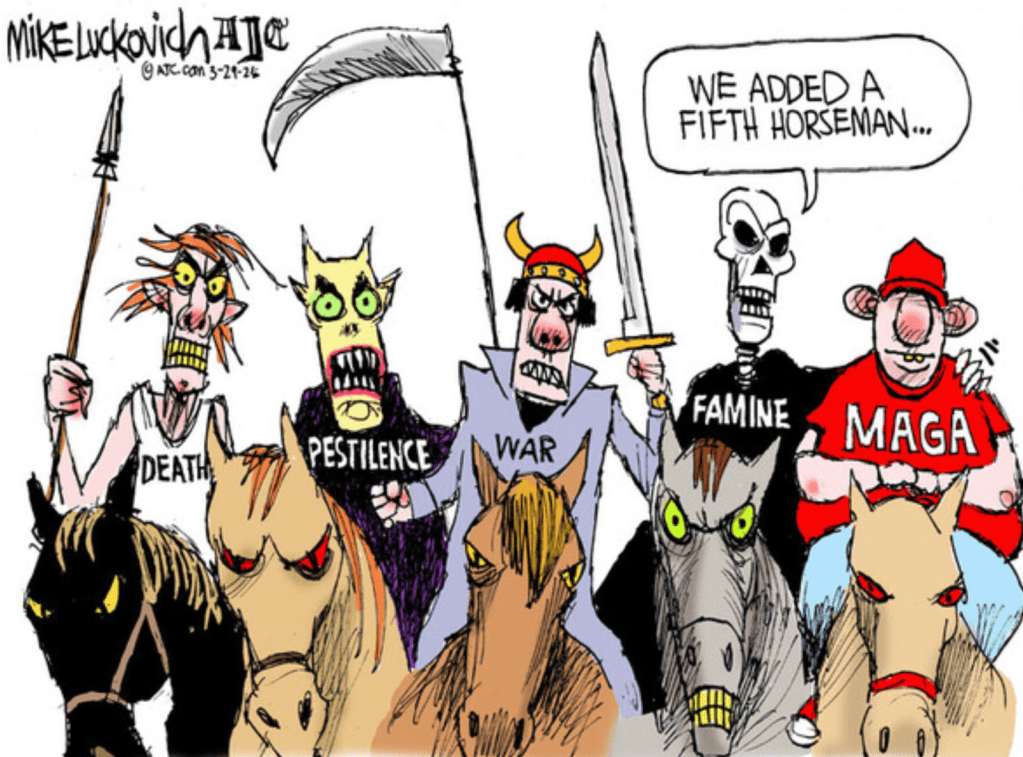
AI summary of events:
As of late March 2026, the term “Iran’s Armageddon” refers to a rapidly intensifying military conflict involving the United States, Israel, and Iran, which has sparked widespread speculation regarding both catastrophic energy market failures and biblical end-times prophecies.
.The conflict has involved direct strikes on Iranian energy infrastructure and, in retaliation, Iranian attacks on regional oil supplies, with analysts using the term to describe a potential global economic nightmare.
Key Aspects of the 2026 Conflict:
- Military Escalation: US and Israeli forces have launched attacks on Iranian targets, leading to massive retaliatory actions from Iran against U.S. bases and interests in the Middle East.
- Infrastructure Threats: “Armageddon” scenarios are frequently linked to threats of destroying all Iranian energy infrastructure, which has triggered retaliatory threats against Gulf Arab infrastructure, threatening a global energy crisis.
- Strait of Hormuz: Iran has taken actions to disrupt the Strait of Hormuz, threatening about a fifth of the global oil supply.
- Catastrophic Humanitarian Situation: Reports indicate mass displacement and significant injuries within
Prophetic and Religious Rhetoric:
- “Biblical End Times”: Reports from watchdog groups, including the Military Religious Freedom Foundation (MRFF), allege that some US military commanders have told troops that the war is intended to “induce the biblical end of times” or “Armageddon,” sparking a move for an investigation by lawmakers.
- End-of-Days Ideology: Some analyses suggest that Iranian officials hold apocalyptic beliefs focused on the reappearance of the “Hidden Imam,” which they argue drives their aggression, while some Christian Zionist perspectives view the conflict as a sign of the second coming of Jesus.
- Controversy Over Rhetoric: Critics, including religious watchdogs and politicians, have labeled the “religious war” framing as dangerous, anti-Muslim, and potentially heretical.
Political Context:
- U.S. Involvement: The US military has taken a proactive stance, with some analysts noting a shift from defensive posturing to attempting to trigger a final confrontation with the Iranian regime.
- Regional Instability: The conflict has caused significant disruption, with fears that a total shutdown of the energy supply could occur, and that the war could escalate further if not managed carefully.
This situation is often described in media reports not just as a conventional war, but as a potential “Armageddon” due to the high risks to global energy supplies and the ideological and religious fervor surrounding the conflict

 Welcome to the World of Fritz von Coelln